

UX Design Intern at Studyportals
I worked on design system scalability, high-traffic product features, and ongoing user research.
TIME
11/2025 - 03/2026
LOCATION
Eindhoven, Netherlands
TEAM
Engineering, UXD team
SKILLS
B2C product, UX design, User research
Key Contributions
UX Design
User flow design
UX writing
Concept exploration
Developer handoff
UX Research
User Interview
Product strategy
Insight generation
Concept testing
Tools I used






Scaling the Design System
Improved consistency and scalability of the design system across products and teams.
Built a centralized brand asset library
Structured logos, imagery, and illustrations, and defined logo usage rules, sizing guidelines, and dos & don’ts with visual examples to support cross-team consistency.

Standardizing core UI components
Refined core UI components, such as radio buttons and chip elements, and authored usage WCAG AA-aligned guidelines with clear visual examples, recommended use cases, and dos and don’ts to make the standards easier to understand.

UX Research
Strengthened product decision-making by transforming user insights into actionable product recommendations.
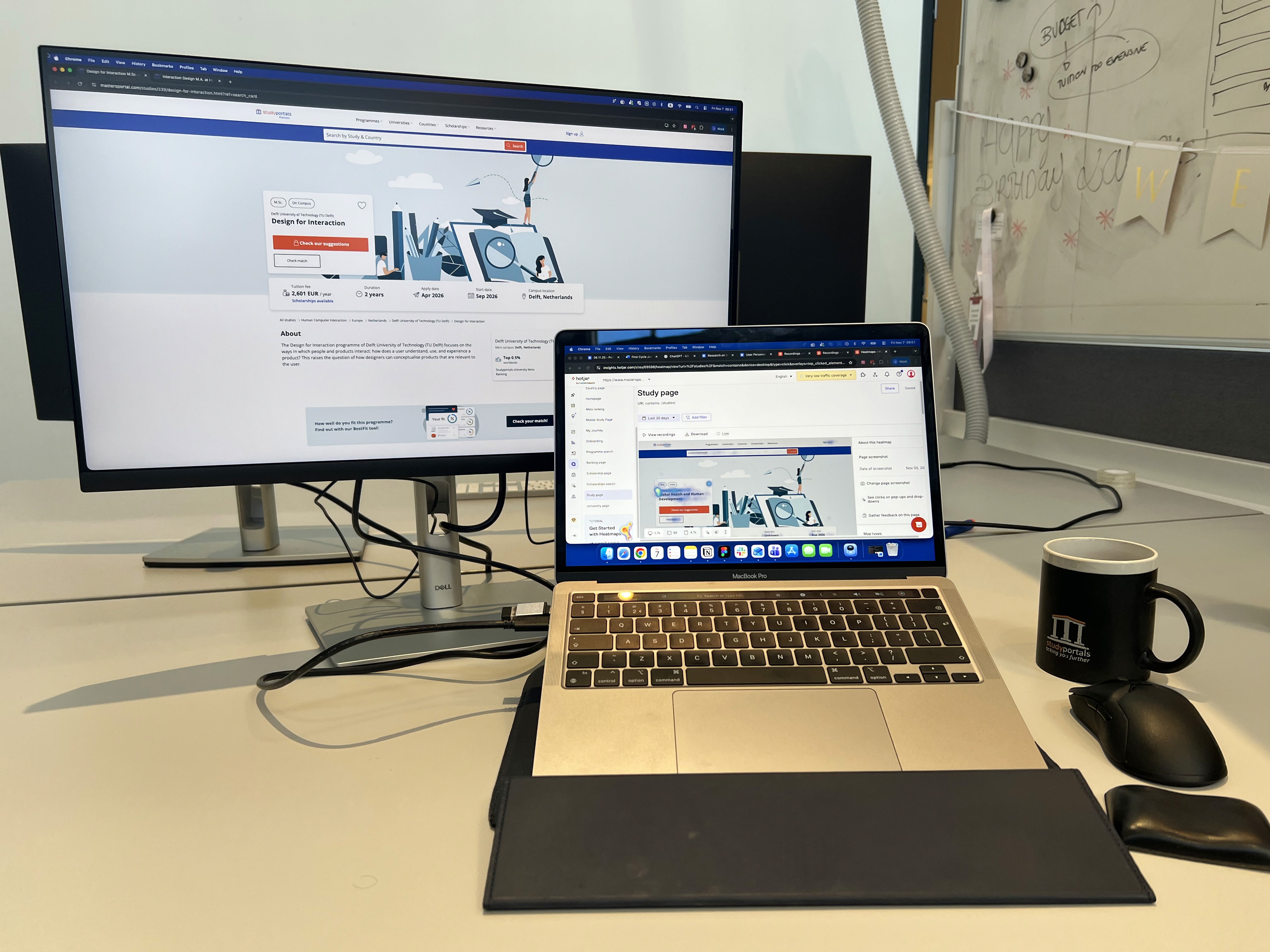
Developed an Excel-based NPS analysis tool to accelerate insight generation and identify recurring user pain points.
Challenge
NPS comments were manually clustered in the Confluence report without a deeper look.
Without a standardized analysis process, recurring user pain points were hard to track over time.
Solution
Developed an Excel-based NPS analysis tool that allows designers to paste raw user feedback into a Pivot Table and instantly visualize quantitative results.
Established a standardized theme taxonomy based on the 2025 annual NPS analysis. The clear definition enables designers to consistently tag user feedback and identify recurring pain points over time.
Created a new NPS reporting template with clear guidelines to ensure consistent clustering of qualitative feedback across researchers and improve cross-team communication of research findings.

UX Redesign
Delivered design from concept to launch, ensuring implementation and alignment with product requirements.
Collaborated with developers, product owners, and marketing teams to balance user needs, business objectives, and technical feasibility.
Registration wall concepts
Challenge
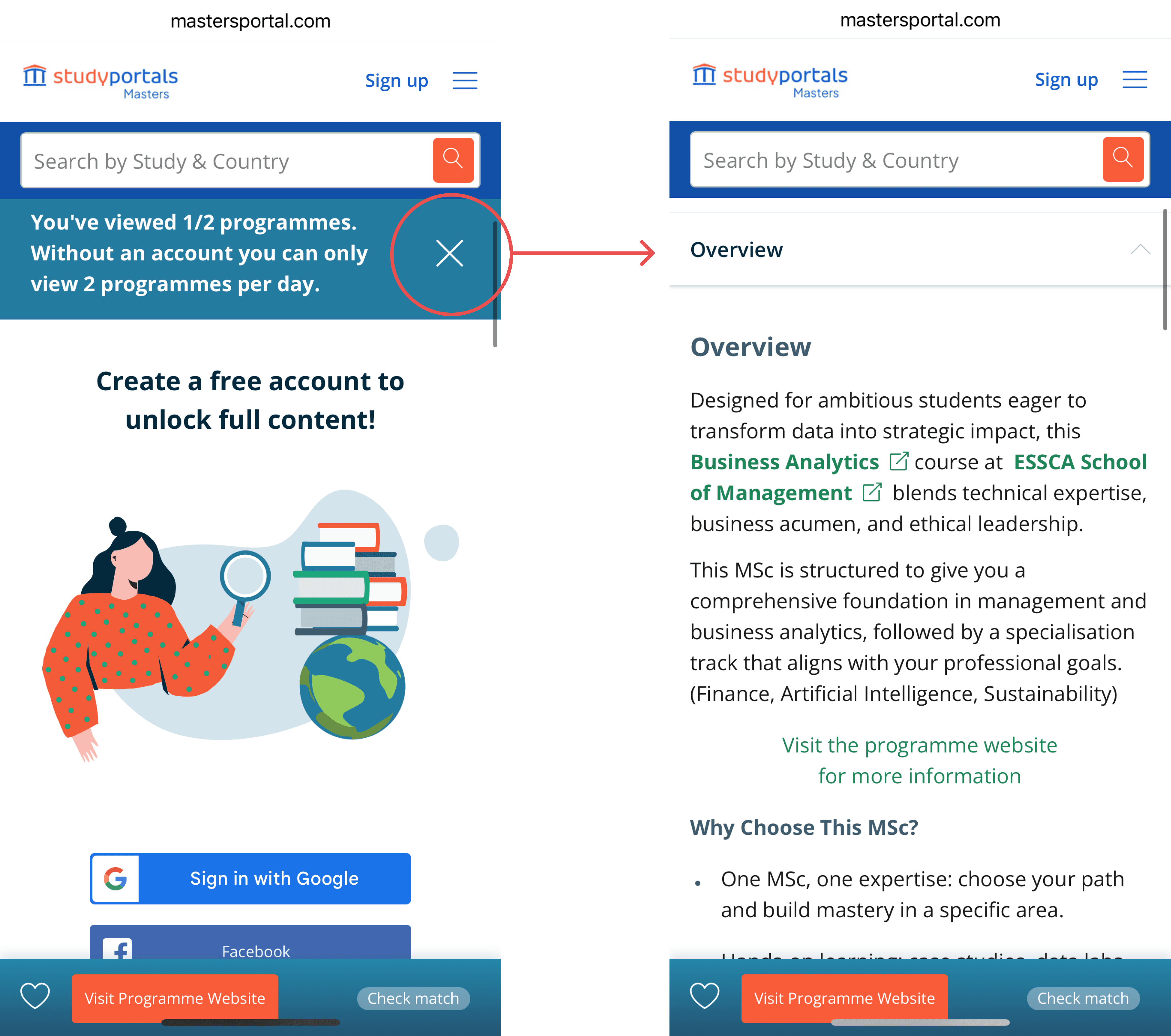
Many users did not realize they could access two full program contents after dismissing a soft wall without creating an account. As a result, they were often unaware of the additional content available after registration and had a limited understanding of the value of creating an account.
Goal
The goal was to explore alternative registration wall concepts that could better communicate the value of creating an account and increase registration conversion.
Final Decisions
To address the challenge, I worked closely with developers and product owners to align concept feasibility and experiment goals.
The team wanted to compare the current dismissible registration wall (soft wall) with an indismissible registration wall (hard wall) to understand how access restrictions influence user registration. We also hypothesized that providing blurred content could better trigger users to create an account by making the information visible while keeping the details locked. Discussions with developers confirmed that implementing blurred content was technically feasible.
Given that the majority of traffic comes from mobile devices, the team prioritized designing the mobile version first and planned to validate the concepts through mobile user testing.
Two concepts were delivered:
Concept 01. Displaying the hard wall — Users view an indismissible registration wall, and they are unable to preview the programme content.
Concept 02. Blurring the key information — Users view an indismissible registration wall while being able to preview the page structure and blurred content underneath.

Key Learnings & Reflections
Integrating Benchmarking into Everyday Workflow
I learned to incorporate benchmarking more intentionally into my design workflow to understand why certain patterns work and how they can be adapted to different contexts.
This approach helps me to build stronger design rationale and communicate evidence-based suggestions more confidently to the team.
Taking Ownership and Challenging Design Decisions
I learned to challenge peers constructively by expressing a clear design rationale and staying open to feedback.
This experience pushed me to take greater ownership of my design decisions and contribute more proactively to team discussions.
Designing with Intent and Clear Rationale
If an element could not be clearly justified, it likely did not belong. This mindset helped me to create more intentional designs and communicate decisions clearly to stakeholders.
© YIN-YU LO ALL RIGHTS RESERVED